
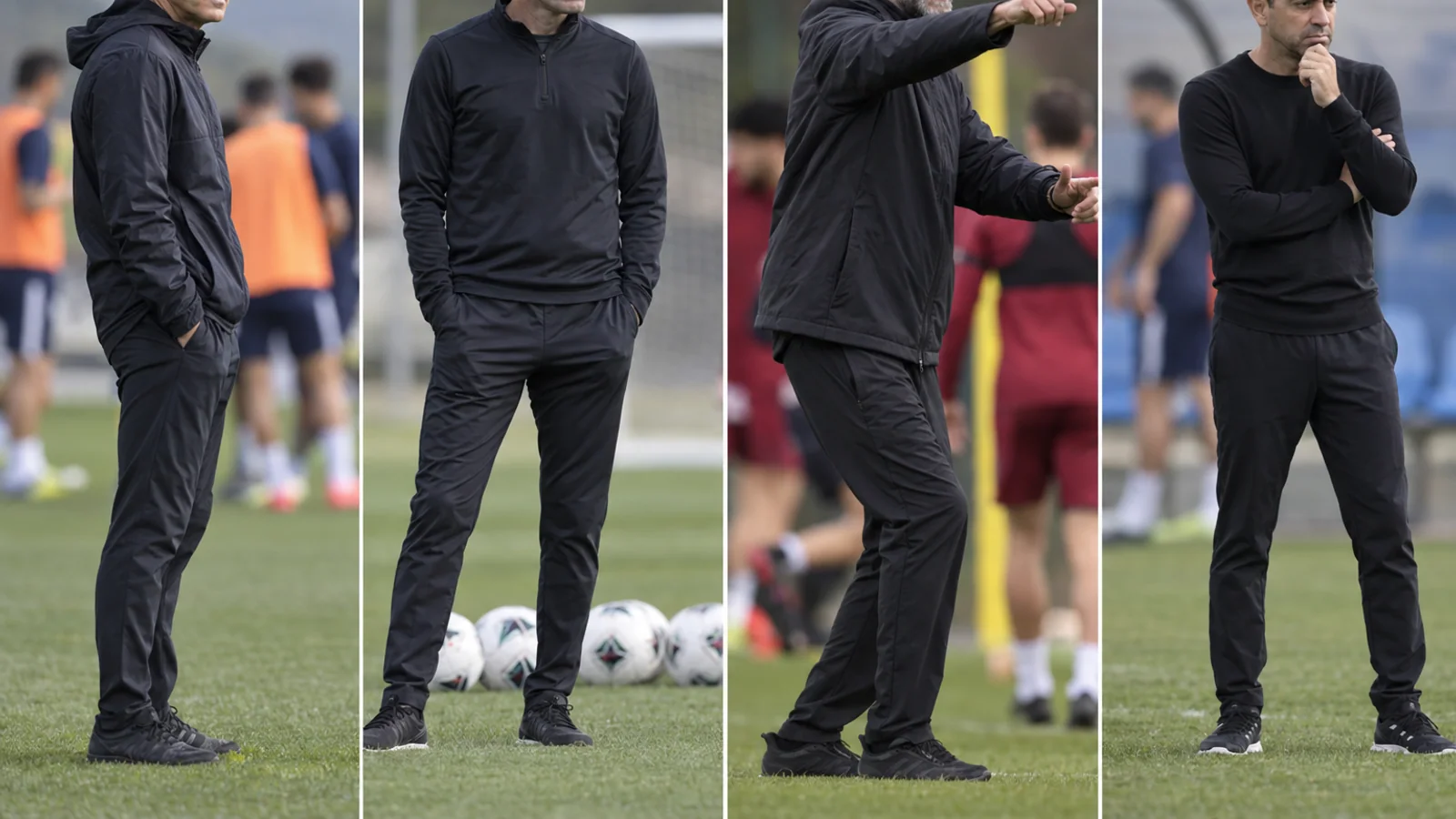
Roberto Mancini’s second spell in charge of Italy begins with a task that goes beyond improving results. He has to win the supporters back. His departure for Saudi Arabia in the middle of August did not go down well, and his return has prompted mixed feelings after another troubled period for the national team.
Missing three World Cups in a row is unacceptable for a country with Italy’s expectations. Mancini looked the right man in 2021—a memory England supporters may prefer not to revisit—but he had more talent available then. This squad is short of quality in attacking positions, although youngsters emerging at clubs such as Frosinone offer grounds for optimism. The immediate message, reflected in Donnarumma’s response, is to get back to work. A Nations League group containing France, Belgium and Turkey will quickly test whether Mancini can restore some consistency.
France’s appointment of Zinedine Zidane looks marvellous on paper, and the expectations are enormous simply because he is Zidane. One player’s account of arriving at training on Monday captured something of his presence: the coach already had his boots ready, his own signature model. Plenty of the players do not have that distinction. For one of the greatest players the game has produced, it is quite a flex.
His approach to privacy has attracted attention, though describing it as a media ban overstates the change. Arrivals at Clairefontaine had become something of a fashion show, with cameras and photographers recording the players’ entrance as though it were a catwalk. Now that access is reserved for the federation’s photographer, and the first day of camp is less open than before. The clothes themselves are not the issue: players can still wear what they like, with Nkunku providing a stylish example on Monday.
Behind the image is a straightforward sporting demand. Zidane has a strong squad, and the hope is for great football and trophies. Friday’s match against Turkey offers an early look at what his France might become.
Jürgen Klopp faces a different rebuilding job with Germany. Despite having won the World Cup, Germany have suffered humiliation at three successive editions, including against Paraguay at the latest tournament. There is ground to recover with both players and supporters, and results have to improve. Klopp’s opening training session already carried a familiar Liverpool intensity, while Pep Lijnders is back alongside him after several years apart.
The scale of Klopp’s first selection is striking: 44 players, divided into two squads across four matches during the international break. Alongside that broad assessment of his options comes a more tightly controlled daily routine. Fixed dinner times, no phones before games and a ban on haircuts are among the rules drawing attention. Some are easier to understand than others. Getting everyone around the table at the same time can strengthen the group; persuading players to leave their hair alone may require a little more explanation.
Discipline has always mattered to Klopp, and his approach offers a contrast with the sense that it had slipped somewhat under Nagelsmann. Whether every rule makes a difference remains to be seen. Football managers have long tried to control the details of preparation, sometimes in unexpected ways: Mourinho’s prohibition on Pokémon Go in the 48 hours before a match is a particularly unusual example. Klopp’s restrictions are part of that wider belief that habits away from the pitch can shape performance on it.
His opening opponent, the Netherlands, also have a new coach with something to change. Xavi was not their first choice: Pep Guardiola declined, as did Arne Slot. Yet there is a persuasive footballing logic to the appointment. Xavi grew up at Barcelona within a tradition shaped by Cruyff’s ideas, methods and mentality. If the Netherlands were going to appoint a non-Dutch coach, he offers a particularly close connection to their footballing identity.
The larger question is whether that connection can help end a pattern of underachievement. The Netherlands’ only European Championship title remains the one won by the Van Basten generation in 1988. Given the talent that has followed, the return has been disappointing. The 2010 World Cup final is an important exception, but it does not entirely answer the feeling that successive gifted teams should have achieved more.
A coach from outside the country may bring a useful change of mentality as the next generation develops towards the Euros and the following World Cup. There is depth in some positions and promising young talent coming through, although established figures such as Gakpo, De Jong and Van Dijk remain central to the discussion of how the team can reach another level. Xavi’s first test is demanding: even at home, facing a Klopp-led Germany is no gentle introduction.