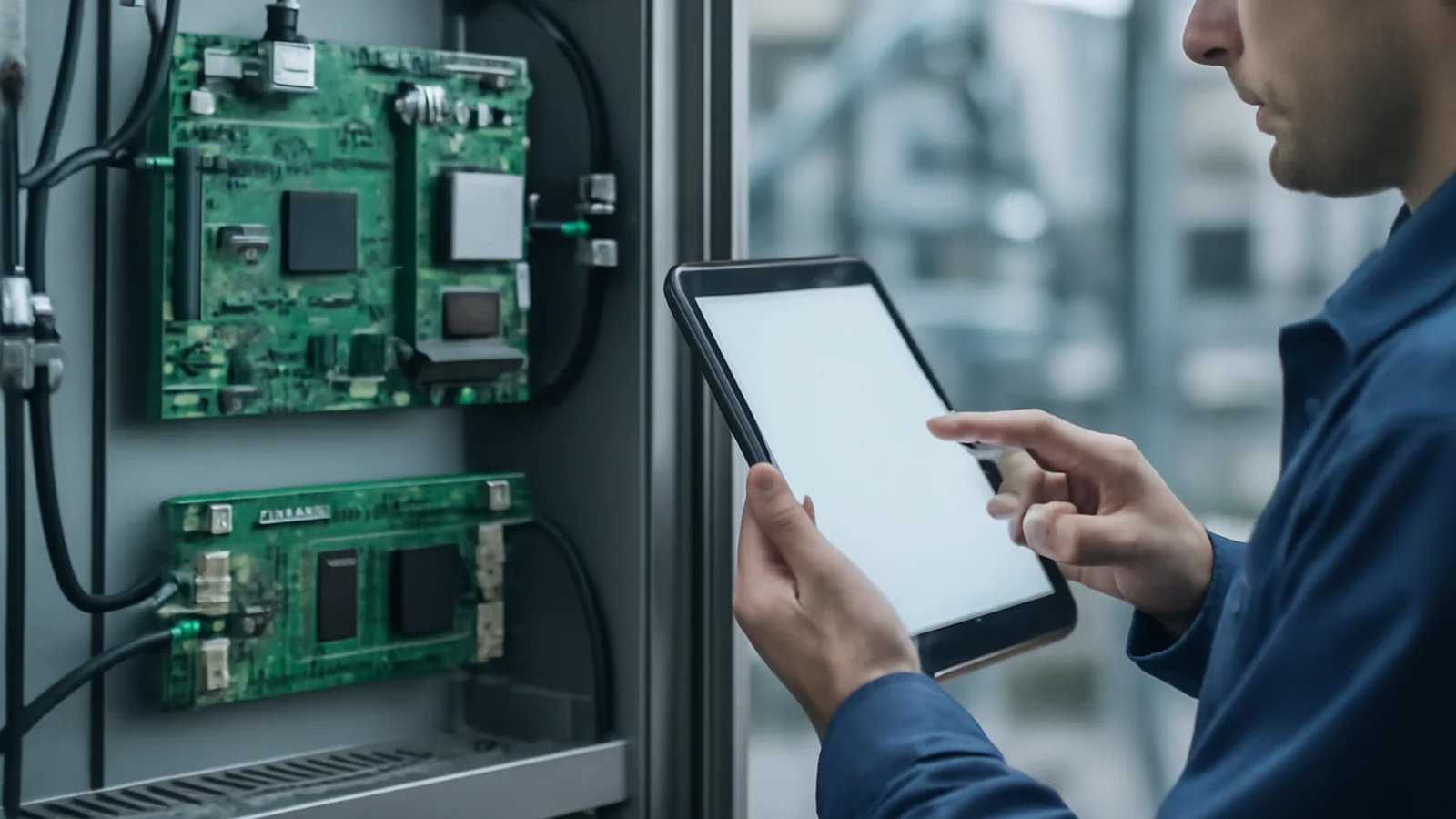
The artificial-intelligence boom is usually associated with vast data centres and expensive graphics processors. A growing part of the market, however, is moving in the opposite direction: smaller systems that analyse information where it is generated. Analog Devices’ agreement to buy Alif Semiconductor for $1.35 billion is a bet on that future.
Analog Devices is best known for technologies that connect digital systems with the physical world, including sensors, signal processing and power management. Alif adds processors designed to run AI workloads on devices themselves. Together, the companies aim to support products that can interpret data and respond in real time without sending every signal to a remote server.
That capability matters in factories, vehicles, medical equipment and consumer electronics. Local processing can reduce latency, protect sensitive information and keep systems working when connectivity is poor. It can also lower the cost of constantly moving large amounts of data to and from the cloud.
The acquisition shows how the AI investment cycle is broadening. The first wave rewarded companies building foundation models and data-centre infrastructure. The next may favour businesses that make intelligence practical at the edge: efficient processors, reliable sensors and software tuned for specific tasks.
Success will depend on integration. Customers do not simply need a faster chip; they need a development environment that makes complex hardware easier to use. If Analog Devices can combine its industrial reach with Alif’s processing technology, the deal may help move AI from the screen into machines that quietly make thousands of decisions every second.