
The Italian Doctors’ Union, which represents 9% of the country’s family doctors, has called a two-day strike against an agreement requiring GPs to work six hours a week in community health centres. Signed this summer by Italy’s regions and the Federation of General Practitioners, the agreement aims to provide medical staff for the new facilities.
These centres, known as case di comunità, have been established across Italy partly with funding from the PNRR national recovery plan. They are intended to work alongside hospitals and emergency departments, taking on some of their tasks and easing the pressure on them. But to function fully, they need doctors—and that brings the debate back to a persistent shortage.
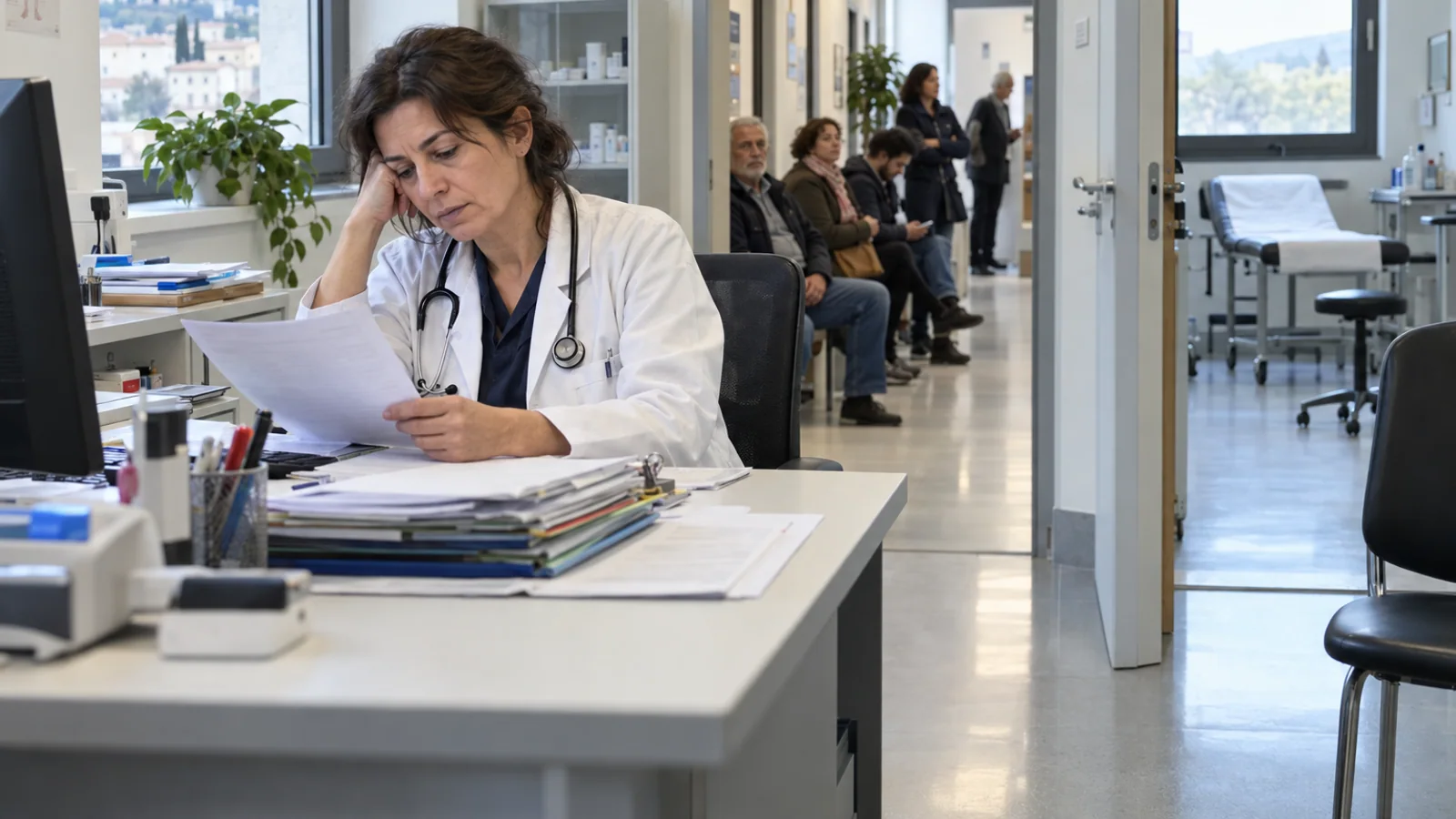
The number of family doctors fell by 14% between 2019 and 2024. The estimated national shortfall is almost 6,000, with more than 8,000 retirements expected by 2028. The striking union argues that GPs already struggle to look after their existing patients and cannot be required to take on additional hours at community health centres without an increase in the number of practising doctors.
The weekly requirement also brings the family doctor’s role closer to that of a public employee, touching on a wider dispute between the profession and the state. Family doctors are currently self-employed. The state would like them to become employees, arguing that this would make it easier to enforce shift schedules and plan services more effectively.
Most family doctors, however, are content with their current professional status. Rather than a compulsory change, the striking union proposes two parallel routes: each doctor could choose between becoming a public employee and remaining an independent practitioner working under contract.
This is a legitimate debate about the future of one of the central roles in Italy’s healthcare system. But if no solution is found, patients will, as usual, be the ones to lose out. Community health centres without doctors cannot function properly. They risk becoming a missed opportunity for a country that urgently needs to relieve pressure on emergency departments and bring doctors closer to their patients.