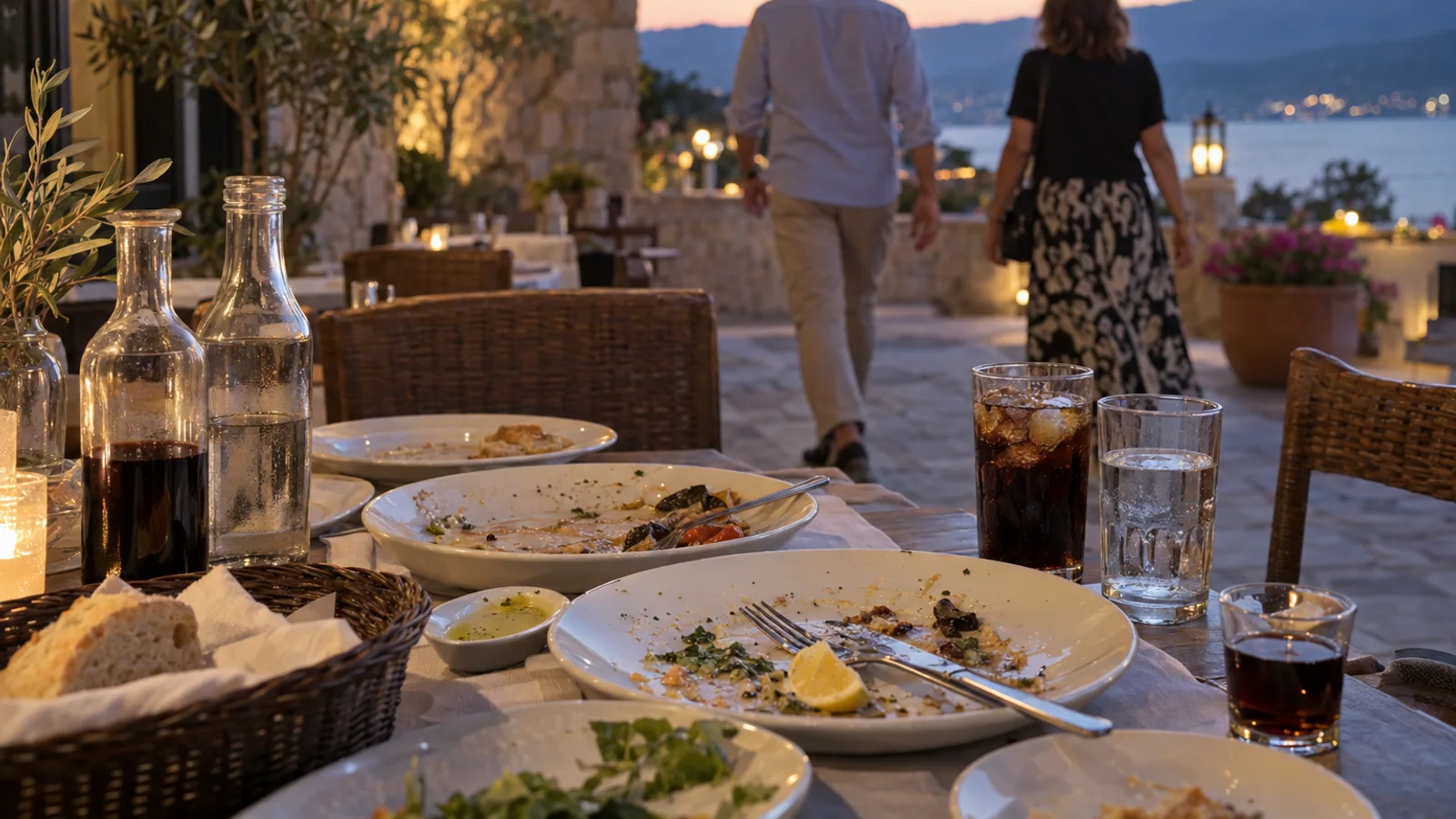
Dinner is over, the waiter arrives, and the familiar question follows: shall we have an amaro to help us digest? Others seek salvation in an ice-cold Coca-Cola or the classic glass of water with bicarbonate of soda. But scientist journalist challenges the comforting assumption behind all three: feeling better for a moment does not necessarily mean the stomach is getting on with its work.
Start with the amaro. Calling an alcoholic drink a digestif is a masterpiece of marketing: the name almost makes it sound like a natural medicine. There is a kernel of truth behind the ritual. Bitter herbs such as gentian, artichoke and cinchona can stimulate gastric juices. The problem is the alcohol that comes with them.
That momentary warmth and relief can dull the discomfort, she explains, while alcohol irritates the stomach lining, relaxes the valve between the stomach and oesophagus, encouraging reflux, and can slow digestion. The heaviness may seem to lift for a few minutes, but that does not mean the meal has been digested. It is rather like turning down the volume of an alarm instead of solving the problem.
Coca-Cola offers a different kind of temporary release. Its carbon dioxide enters the stomach and increases the pressure inside. A burp then lets that gas escape, briefly making you feel lighter. But it is gas leaving the stomach, not food breaking down faster. The journalist also cautions that an acidic, sugary drink may worsen bloating when the stomach is already struggling.
With bicarbonate of soda, the explanation turns to chemistry. The stomach produces hydrochloric acid to help break down proteins and activate enzymes. Bicarbonate is a base: it neutralises that acid and can relieve the burning sensation. So far, so reassuring. But the reaction also produces carbon dioxide, bringing another apparently liberating burp.
The Journalist argues that this relief can be short-lived. She says the stomach may respond to the reduction in acid by producing more, leaving a person with renewed acidity and bloating after the initial improvement. Her central distinction remains the same: quieting a symptom is not the same thing as helping digestion.
What, then, does she recommend after eating too much? Something much less theatrical: a gentle walk. Ten or fifteen minutes at an easy pace, she says, can help peristalsis—the natural movements that push food along the digestive tract.
For those who want something to sip, the journalist suggests a little freshly extracted pineapple or papaya juice. These fruits contain bromelain and papain respectively, enzymes that help break down proteins. Her simpler alternative is a warm, unsweetened ginger or fennel infusion, which she recommends for its warmth and relaxing effect on the stomach muscles, without adding gas or alcohol. She also puts forward kombucha, crediting its beneficial bacteria and natural acidity with supporting digestion.
The broader point is not to find an increasingly elaborate remedy for an overfull stomach. As the journalist puts it, the body already has the tools to handle a substantial meal; the aim is not to make its job harder. Her preferred digestif is the familiar advice that is so often ignored: eat slowly, avoid excess, chew well and, if you have overdone it, enjoy a little fresh air and a walk after lunch or dinner.