

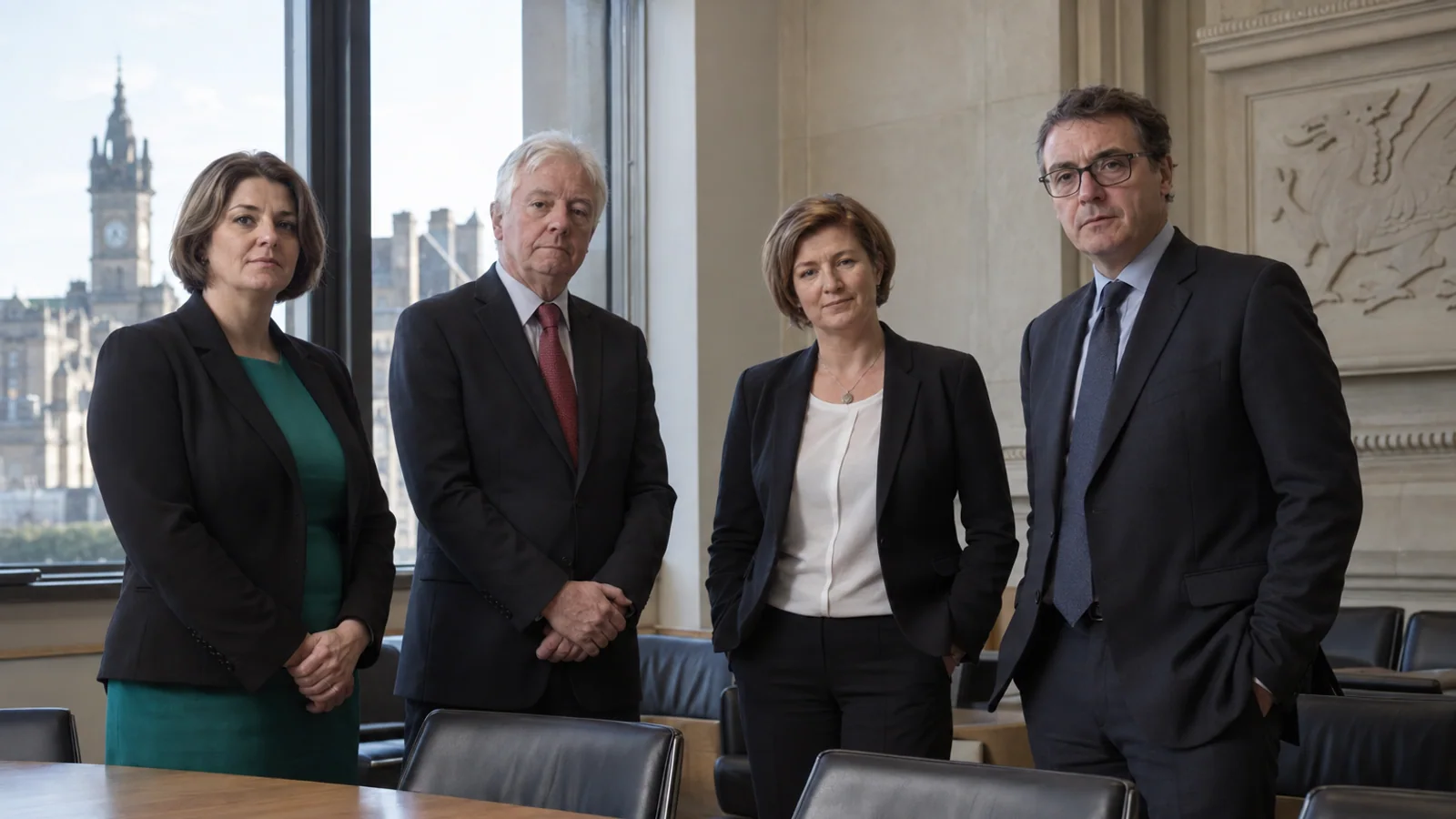
Pro-independence leaders from Scotland, Wales and Northern Ireland met in Cardiff on May 17 and signed an agreement intended to send a clear message to London. It was a significant alignment of political movements seeking a future outside the United Kingdom, though their prospects—and the routes available to them—are far from identical.
The participants included John Swinney, leader of the Scottish National Party and Scotland’s first minister; Rhun ap Iorwerth, leader of Plaid Cymru; and Michelle O’Neill, Sinn Féin’s deputy leader and Northern Ireland’s first minister. They were joined by Sinn Féin’s leader in the Republic of Ireland. Bringing these figures together gives their demands a common platform, without erasing the differences in support for independence or in the arrangements each territory has with London.
Donald Trump had entered the argument too. During a visit to Ireland just days before the meeting, between rounds of golf, the US president openly argued that Ireland and Northern Ireland should reunify. It was a provocative intervention on a subject where the United States had traditionally maintained a restrained approach while supporting the Good Friday Agreement.
That agreement provides a route for Northern Ireland’s people to vote on reunification, although the British government maintains that the conditions for such a vote have not been met. At its heart is the principle of self-determination. Trump’s intervention met resistance from unionists opposed to reunification, but he declined to take a position on Scottish independence—the more developed, and particularly thorny, question in this emerging alignment.
Scotland has already held an independence referendum. In 2014, 55% voted to remain in the United Kingdom. Then came Brexit, which most Scottish voters had opposed: they wanted to stay in the European Union. That changed the political context and became one of the principal arguments behind the Scottish leadership’s renewed push for an independence referendum in 2022, with leaving the UK presented as a way to move closer to Europe again. London blocked the process. The need for London’s authorisation before Scotland can hold such a vote now sits at the centre of the dispute.
Europe is a thread running through all three movements, explicitly or otherwise. Reunification would bring Northern Ireland into the Republic of Ireland, an EU member. Scotland’s independence case draws heavily on its pro-European outlook. In Wales, where the independence movement is less developed, closer commercial relations with the EU also offer an incentive to look beyond the current arrangements.
None of this makes the break-up of the United Kingdom imminent or inevitable. Any process would be long, complicated and surrounded by uncertainty. But the direction of travel is striking: these movements are looking towards the very Brussels from which London was so determined to separate—and towards which it increasingly looks back with regret.